
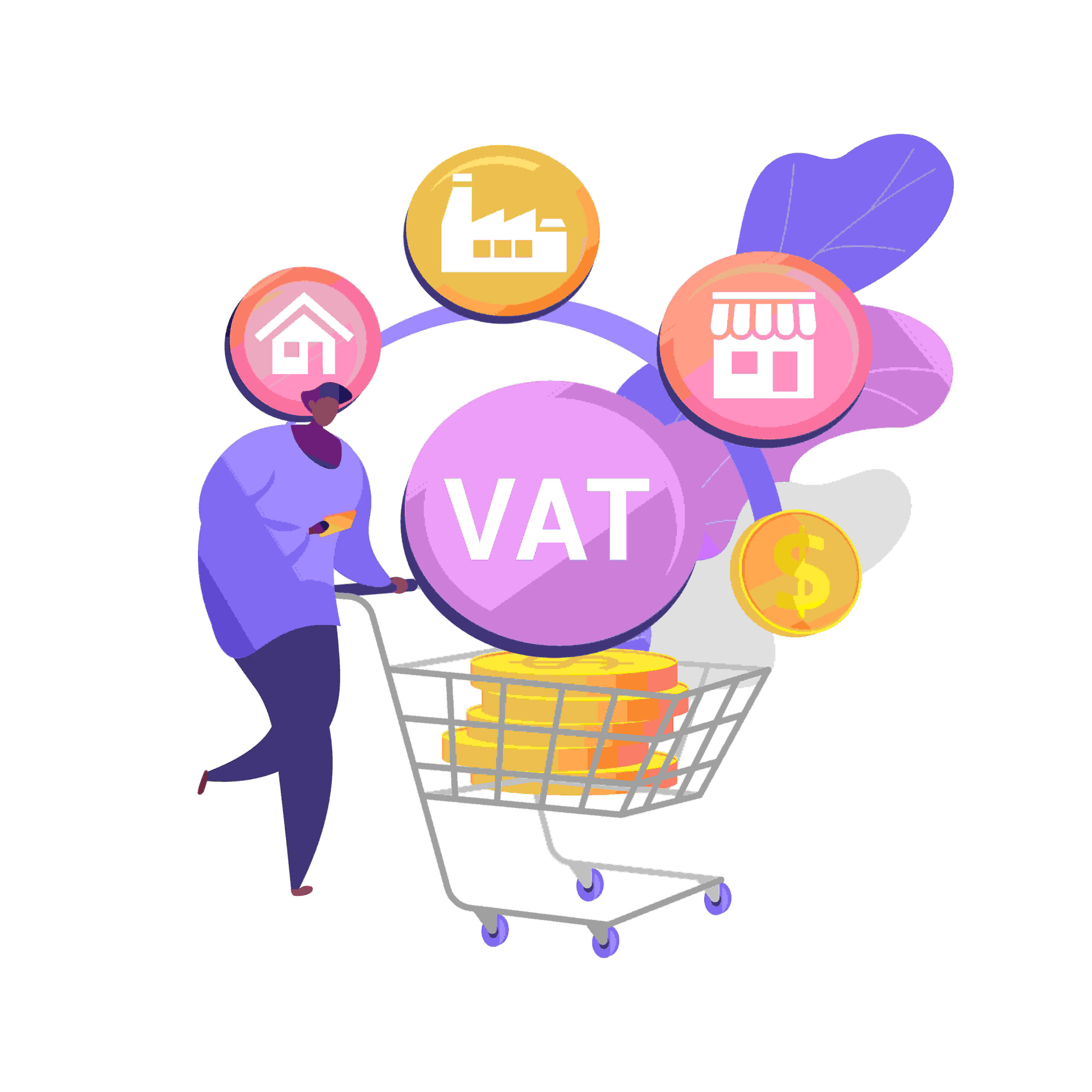
Value Added Tax (VAT) is an important aspect of European taxation. It is a consumption tax imposed at each production or distribution stage of goods and services. VAT compliance is a requisite that businesses operating within the region must uphold. A lack of compliance can result in devastating fines. So, it is crucial that companies are aware of the rules.
VAT Compliance and Its Impacts on Business Operations
VAT compliance supports the smooth flow of operations in businesses. Companies save unnecessary legal hurdles by charging the VAT on products and services correctly. Businesses can access resources on this website to help them navigate intricate VAT regulations. It could be calculating the right VAT rates or knowledge of exemptions, compliance makes sure that the business proceeds without a hitch or conflict with authorities. It also aids in ensuring transparency. In turn, this boosts business credibility.
The Role of VAT Compliance in Economic Growth
VAT is an essential source of revenue that contributes to economic development in countries. Adequate VAT compliance translates into increased tax revenue, which can be invested in infrastructure and public provision. At the global level, the strict VAT regulations in Europe create a level playing field among all businesses. It eradicates tax evasion and promotes a fair business environment by making sure that every entity follows the VAT rules. In the case of companies, it means improved market stability and increased growth opportunities.
VAT Compliance Benefits
Knowledge of VAT compliance offers many benefits to businesses, including:
- Dodge penalties and stop-losses.
- Better cash flow management.
- Avoidance of conflict with tax authorities.
- Improved business reputation within the market.
- Availability of tax exemptions and refunds.
The Complexities of VAT Compliance in Europe
VAT policies in the European Union are regularly updated. This helps to respond to economic trends. In the case of small businesses, the documentation involved can seem daunting. Nevertheless, through modern technology, firms can optimise their VAT operations. Businesses can use VAT software solutions to automate the calculation. This will help to minimise human error.
The Significance of Proper Record-Keeping in Relation to VAT
Good record-keeping is crucial to VAT compliance. Businesses should keep comprehensive records of all transactions liable to VAT. It doesn’t just contain invoices. It also contains receipts. Failure to maintain effective records may result in inaccurate tax returns. Maintaining updated records that are neat can help businesses report VAT easily. Plus, it will prevent conflict with tax authorities.
VAT Compliance for Small and Medium Enterprises (SMEs)
SMEs are not always equipped to deal with the complications of VAT rules. Nevertheless, it is important to appreciate the role of VAT compliance in their growth. Most European countries provide VAT breaks to small businesses to minimise the burden. By ensuring they pay their VAT obligations, SMEs should exploit these incentives. This will help to establish a solid base on the way to their long-term success.
In summary, VAT compliance is not merely a legal requirement. It is also a potential business improvement. Companies can remain compliant with VAT requirements efficiently by keeping up-to-date. The outcome is not just improved financial control. The result is also reduced litigation.